beginner photography
Exposure triangle
Episode 1
The Exposure Triangle relates to the three fundamental concepts in photography - Aperture, Shutter Speed, and ISO.
In this series, I will take you through all three of these aspects, plus more, and break down each one simply - giving you the stepping stones to explore and research each in more depth as you gain confidence and experience with your camera.
APERTURE
Aperture is the first item of discussion, and it plays a critical role in determining the exposure, depth of field, and overall aesthetic of your images.
What is Aperture?
Aperture refers to the opening in a camera lens (the hole you can see when looking through the end of the lens) through which light passes to enter the camera. It is measured in f-stops (e.g., f/2.8, f/4, f/5.6), and it controls the amount of light reaching the cameras sensor. The size of the aperture (or hole) can be adjusted, allowing the photographer to change the the brightness and sharpness of their images.
How Aperture Affects Exposure
Exposure itself is distinguished by the amount of light that hits the camera sensor, and images can be too bright (over exposed), too dark (under exposed), or just right (correctly exposed).
Aperture affects exposure by controlling the amount of light entering the lens via the hole in the end of the lens discussed above. A larger aperture (meaning larger hole = lower f-stop number) allows more light to pass through, resulting in a brighter image (over exposed). Conversely, a smaller aperture (meaning smaller hole = higher f-stop number) permits less light, creating a darker image (under exposed).
Depth of Field
Aperture also plays a crucial role in determining the depth of field.
Depth of field is the term used when describing the focus range within an image. If everything in the image is in focus, then it is said it has deep depth of field. Whereas if only a small amount of the image is in focus, this has shallow depth of field.
A wide aperture (e.g., f/2.8 = large hole) will result in a shallow depth of field, where only a small amount of the image is in focus and the background is blurred.
Shallow depth of field is great for portrait photography, where isolating the subject from the background is often desirable. On the other hand, a deep depth of field ensures that most of the scene remains in focus., which is perfect for landscape photography.
f-stops
As mentioned above, aperture is measured by f-stops. These numbers might seem a bit confusing at first, but here’s a simple way to understand them:
- Lower F-Stop Number (e.g., f/2.8): Indicates a wide aperture, meaning the aperture rings within a lens creates a wider hole, which lets in more light. This is great for low-light situations and creating a blurry background (shallow depth of field).
- Higher F-Stop Number (e.g., f/16): Indicates a narrow aperture, meaning the aperture rings within a lens creates a smaller hole, which lets in less light. This is useful for bright conditions and keeping everything in the scene in focus (deep depth of field).
Imagine you’re taking a portrait:
- Using f/2.8: The subject’s face will be in sharp focus, while the background will be beautifully blurred.
- Using f/16: Both the subject’s face and the background will be in focus, making everything sharp and clear.
bokeh
Bokeh is created when using a wide aperture (large hole = smaller f-stop number, eg f2.8), and can vary in appearance based on the lens and settings used. Bokeh allows the out of focus background to appear soft and creamy, with smooth transitions between the light and dark areas of the blurred background.
Bokeh can help in isolating the subject from the background, drawing the viewer’s attention to the main subject of the photograph, can add an artistic and visually appealing quality to the photograph, enhancing its overall impact. and can contribute to the mood and atmosphere of a photograph, making it appear more dreamy, romantic, or ethereal.
Creative Control
Understanding how to use aperture will give you greater creative control over your images. By adjusting the aperture, you can emphasise or de-emphasise certain elements within the frame. For instance, in macro photography, using a wide aperture (eg f2.8) can isolate tiny subjects against a soft background, while in architecture photography, a narrow aperture (eg f16) can ensure that intricate details are sharply captured throughout the frame.
PRACTICAL TIPS FOR USING APERTURE
- Portraits: Use a wide aperture (e.g., f/2.8) to create a pleasing bokeh and make your subject stand out.
- Landscapes: Use a narrow aperture (e.g., f/11) to ensure everything from the foreground to the background is in sharp focus.
- Low Light: Use a larger aperture to let in more light, but be mindful of the shallow depth of field.
- Action Shots: Pair a larger aperture with a fast shutter speed to freeze motion while keeping the subject in focus.
Conclusion
Aperture is a powerful tool in photography that influences both the technical and artistic aspects of your images. By mastering aperture and understanding their effects on exposure and depth of field, you can elevate your photography skills and capture images with greater precision and creativity.
what's next?
Achieving the perfect exposure requires a balance between aperture, shutter speed, and ISO, which is why it is called the exposure triangle.
Next we will discuss shutter speed, and how this works in relation to light and the effect your images.
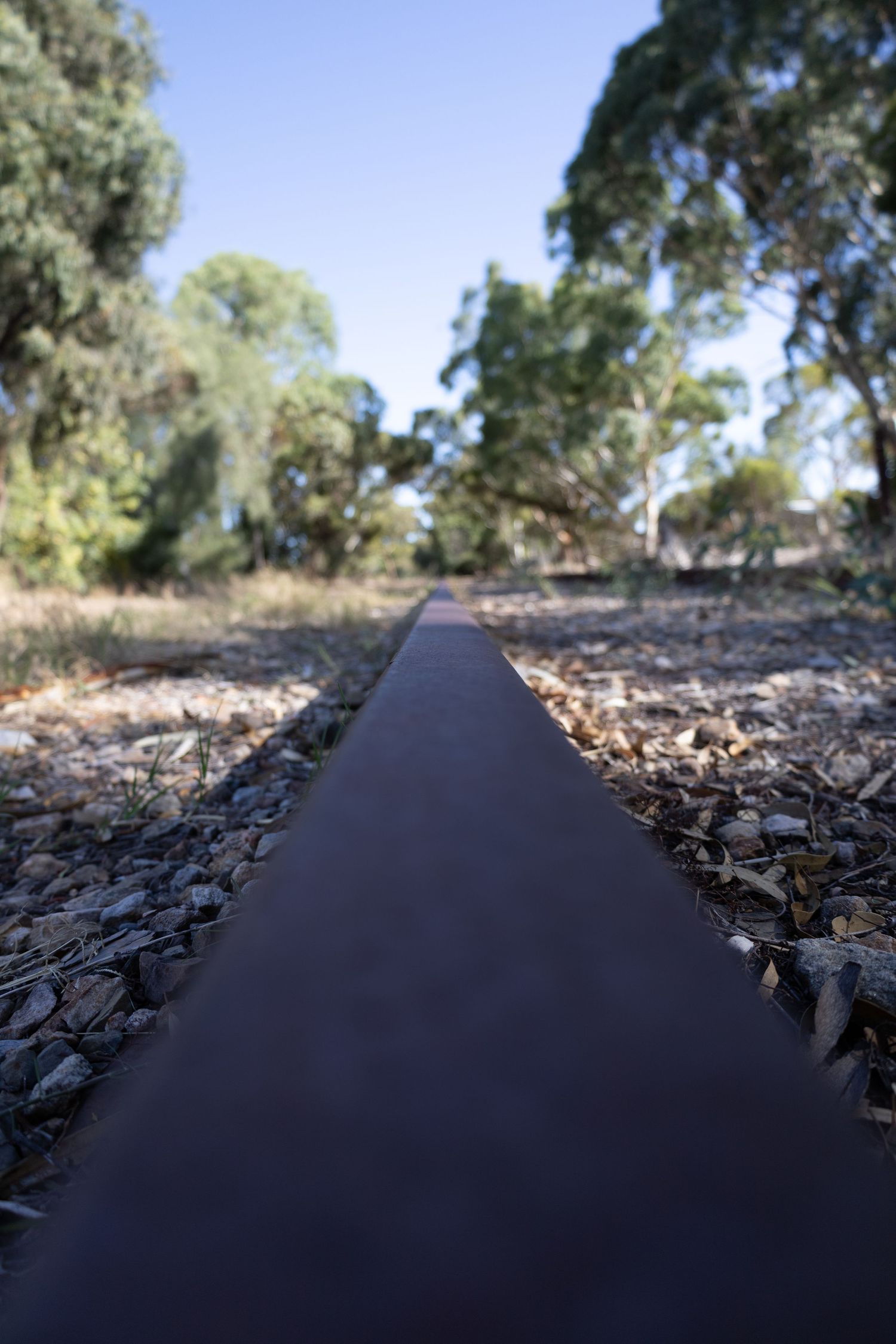
f4
As you can see in the above image, the foreground and the background are out of focus. If you were to drop down to an f2.8 or f1.8, this effect would be more so.
This has a small focus range, or shallow depth of field.
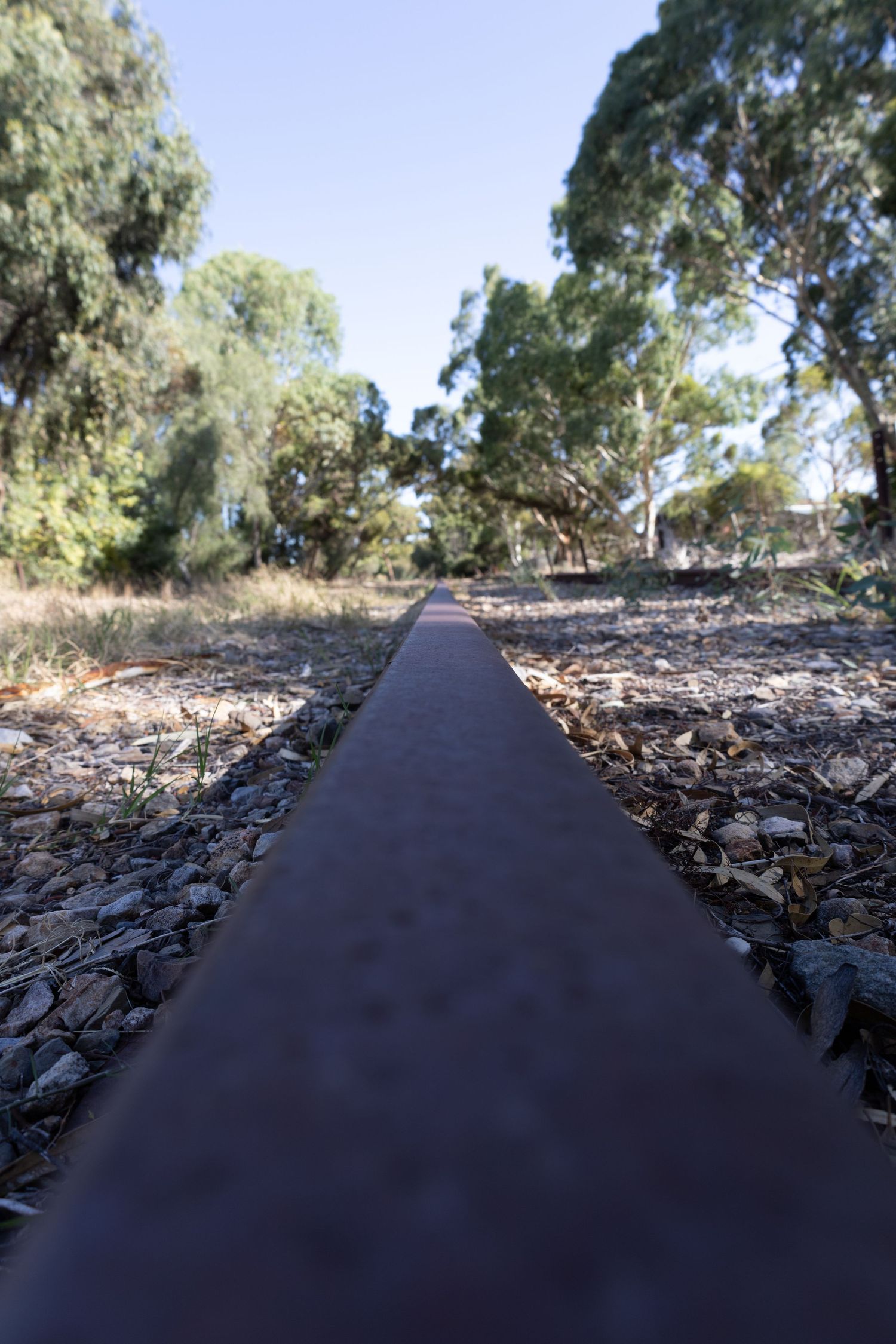
f8
The foreground and the background appear less blurred and there is more focus range, meaning more of the image is in focus, creating deep depth of field.
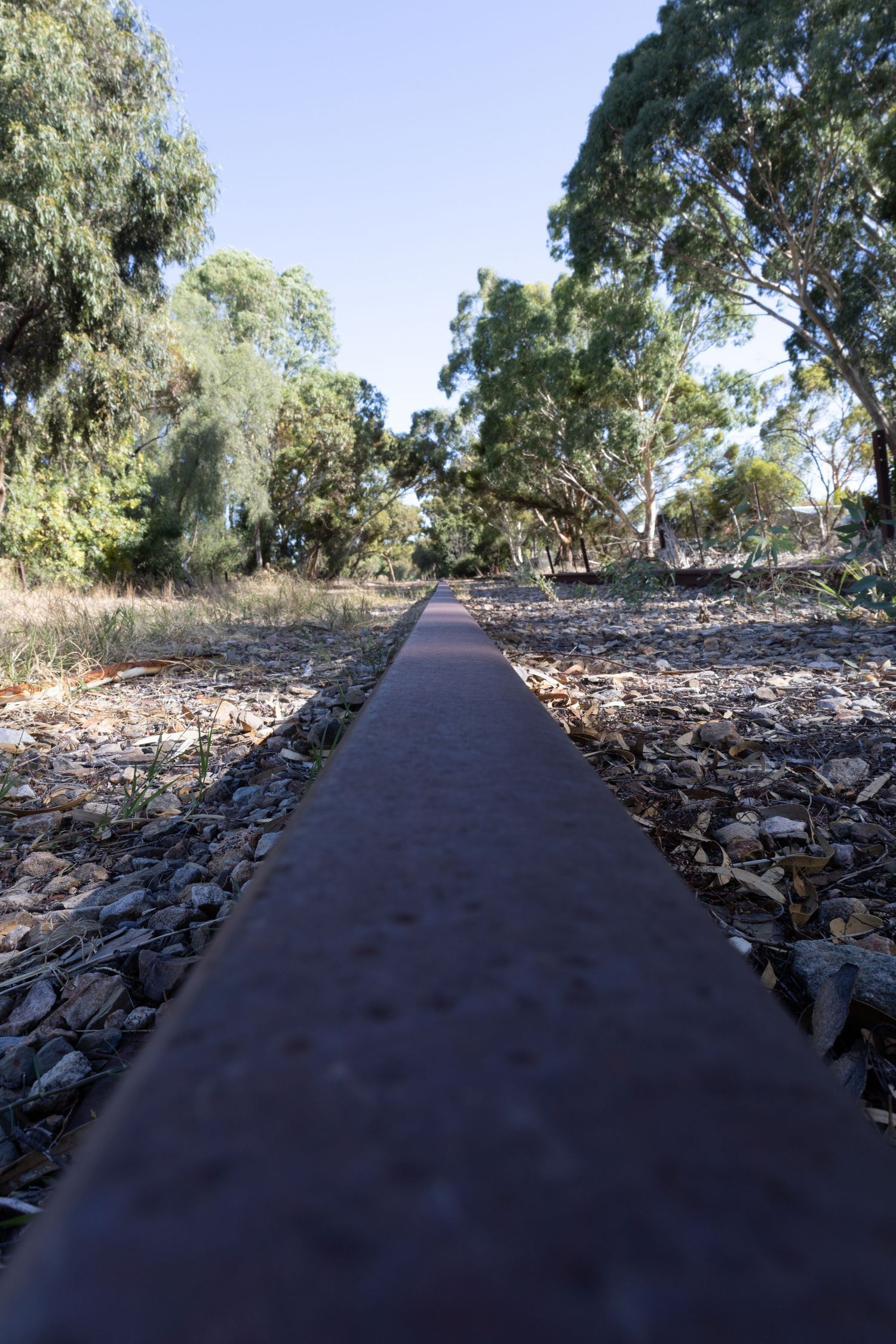
f16
The foreground and background of this image is all pretty much in focus. If you went to f22 or f32, more and more of the image would be in focus, again creating a deep depth of field.


